How to Use Real-Time Data and Live Streaming to Enhance In-Play Live Betting
Tue, 28th Jul, 2026
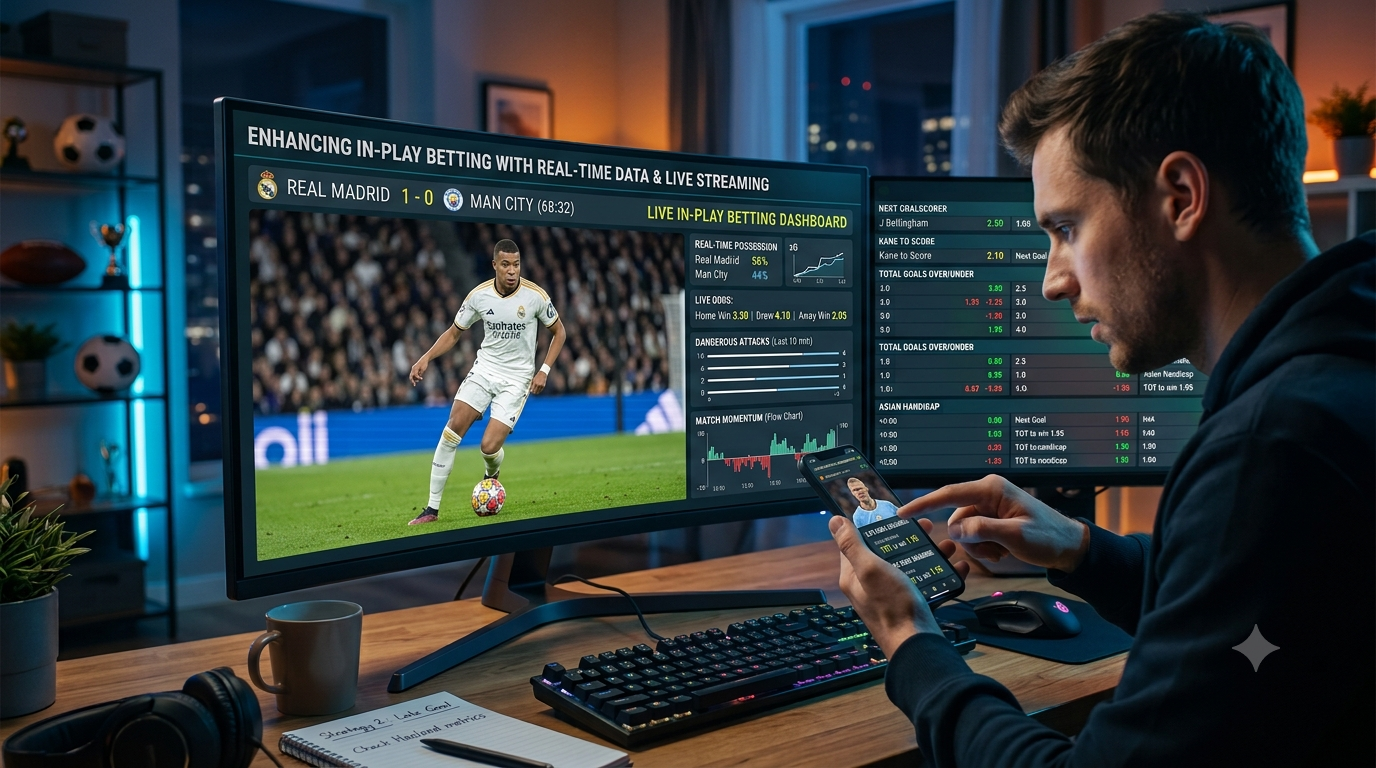
Due to evolution, gone are the days when pre-match wagers served as the only form of betting on a match. Nowadays, in-play bets account for over half of all online sports wagers in the whole world. In-play wagers simply refer to bets made after the match has commenced.
This is only made possible because of real-time data and ultra-low-latency live streaming. The latter simply means that there is little to no delay between what is happening live and what you are watching. In other words, the data transmission speed is extremely high.
Because of these two, viewers are now watching matches with keen eyes and strategic minds, ready to lock in their wagers before the bookmakers or sporting app updates their records.
We will look at how real-time data and live streaming aid in-play betting and also strategies used by veteran bettors to get an edge.
Difference between Pre-Match and In-Play Betting
Before we head over to the strategies you can use during In-Play betting, we need to understand the differences between pre-match betting and live betting.
1. Pre-Match betting:
In pre-match betting, the primary information source is the stats from the team's previous games and line-up news. These stats and odds remain stable. The odds only move slowly based on the amount of money the public is putting in.
Its major advantage is that you have enough time to research and go through the histories and stats before kick-off.
2. In-Play betting:
This relies on real-time metrics like xG and on the video feeds. The odds continually update and change every few seconds. This leaves only a space of seconds or mere minutes to place a bet. The primary advantage here is that you can quickly capitalize on inflated odds before the sporting app or bookmaker corrects them.
Three Tactical Strategies for Live In-Play Bettors
We have compiled three strategies from our football analyst and veteran bettors. These strategies will actually help give you an edge during In-Play betting.
1. Strategy One (Heavy Favourite Concedes):
This happens when the underdog of the match scores an early goal against the favourites to win. When this happens, bookmakers automatically increase the odds. Take these steps immediately:
a. Check live possession and dangerous attacks.
b. Watch the stream and observe if the underdog is controlling the match or the favourites are dominating them.
c. Check the real-time data and see if it shows high xG chances and high possession.
If all these are in order, then back the favourites or wager on an Asian Handicap. The odds would be significantly higher than a pre-match standard. Read more about Asian Handicaps
2. Strategy Two (Late Match goals):
Matches that are tied near the ending minutes often see a surge in goals as both managers will press their teams for a late winner. Fresh substitutes will also come in to aid in securing a victory. Once you see this, take these steps immediately:
a. Monitor the Passes Per Defensive Action" (PPDA) metric. Once you notice a sharp drop, it means that the defenders have started breaking down due to fatigue or a more aggressive tactical change has occurred.
b. Check out the match; if you can see tired fullbacks and stretched defensive lines.
If all these are in order, place an "Over" wager on total goals or total corners for the final 15-minute window before the bookmakers correct the odds.
3. Strategy Three (Cash-out option):
This is one of the best advantages of live streaming. If you place a pre-game bet and notice that the stats are not favouring your team, you can immediately cash out and protect your investment.
How to Minimise Losses and Bet Responsibly
Even though Live streaming and real-time data actually make sports betting more dynamic and fun, it actually requires more discipline because of its fast pace. You can use the following tips to minimise your risks:
1. Set a strict cash expense limit.
2. Avoid betting to recover your losses.
3. Remember market suspensions during sessions like VAR checks.
Conclusion
The evolution of Sports betting is a welcome development because it has included real-time data and live streaming to aid the in-play market.
This is a literal gold mine, and many Veteran bettors actually just focus on the in-play market and totally neglect the pre-game betting.
However, in order to have a consistent winning record, you must follow certain strategies and rules. If you want to learn more about where you can stream football games live
Frequently Asked Questions (FAQ)
What is the difference between pre-match and in-play live betting?
Pre-match betting involves placing wagers before a sporting event begins, based on historical data and fixed odds. In-play betting allows you to place wagers while the match is actively taking place, with odds constantly shifting in real time based on live events like goals, injuries, or tactical changes.
How fast do live betting odds update during a match?
Live betting odds update almost instantaneously—often within 1 to 3 seconds of an event taking place on the field. Bookmakers utilize automated AI algorithms fed by real-time stadium telemetry to adjust lines as play develops.
Why is stream latency important for in-play betting?
Stream latency is the delay between actual physical play and what appears on your screen. High latency (10–30 seconds) means the bookmaker updates odds before you see the play happen. Ultra-low-latency streams allow you to react to momentum shifts and place bets before odds recalibrate.
What live statistics are most important for football in-play betting?
Key real-time metrics include Expected Goals (xG) flow, Field Tilt (possession in the attacking third), shot location data, PPDA (defensive pressure), and player load/fatigue indicators.